So, you’ve been captivated by the world of voiceover work, and you’re wondering how to break in. Whether you’re dreaming of voicing characters in animated films, lending your voice to commercials, or narrating audiobooks, the good news is that with the right tools and mindset, you can make it happen! Let me take you through the essential steps to get started in the voice-over industry.
- Invest in Training and Develop Your Skills
Voiceover isn’t just about having a pleasant or distinctive voice. It’s an art, and like any craft, it takes practice and training. The first thing you’ll need to do is learn the ropes. Here are a few tips for getting started:
- Take Voiceover Classes: I highly recommend finding a voiceover coach or attending workshops. These classes will teach you the technical aspects of the craft, such as vocal control, inflection, pacing, and characterisation. Most importantly, a coach can provide valuable feedback on your performance, helping you improve quickly.
- Work on Acting Skills: At its core, voiceover is acting. Learning how to convey emotion, build a character, and deliver lines naturally is key. So, consider taking acting classes, even if they’re just beginner-level. The more you understand how to emote through your voice, the better you’ll be at delivering great performances.
- Study Existing Talent: Take time to listen to other voiceover artists. Study their styles, techniques, and delivery. What do you like about their voice? What makes their performances stand out? Understanding what works and why can help you fine-tune your own style.
- Build a Killer Demo Reel
Once you’ve honed your skills, it’s time to create a demo reel. Your demo is your ticket to getting work, so it needs to be top-notch. Here’s how to make it shine:
- Choose Your Best Work: A demo should showcase a variety of styles, from commercial work to narration to character voices. But don’t overstuff it—keep it short (around 1-2 minutes), focusing only on your best performances. Quality is far more important than quantity.
- Record with Professional Equipment: Your demo must sound polished, so invest in good equipment, or make sure to record at a professional studio. A well-produced demo is essential to making a strong first impression.
- Get Feedback: Before you start sending your demo out to potential clients, get feedback from other voiceover professionals. They can offer insights into how you can improve your demo and whether it’s market-ready.
- Set Up Your Home Studio
In today’s world, many voiceover artists work from home. And having a home studio allows you to work with clients remotely, which is often a huge advantage. Setting up your own studio can feel like a big investment, but it’s worth every penny. Here’s what you’ll need to get started:
- Microphone: A high-quality microphone is the foundation of any voiceover studio. I personally use a Sennheiser 416 for its isolation and proximity tone control, but there are more affordable options like the Audio-Technica AT2020 that still provide excellent sound.
- Audio Interface: This connects your microphone to your computer. I recommend the Focusrite Scarlett 2i2—it’s reliable, easy to use, and offers great sound quality.
- Headphones: You’ll need headphones that are comfortable and provide accurate sound. The Sennheiser HD280 Pro or Audio-Technica ATH-M50X are both excellent choices.
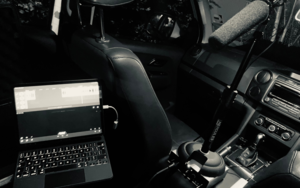
- Acoustic Treatment: Proper soundproofing is crucial. Invest in foam panels, bass traps, and diffusers to treat your space. I use a combination of Auralex Acoustics panels, which help reduce echo and outside noise. Remember the second best option if you don’t have a studio to record in, is a car!
- Recording Software (DAW): A digital audio workstation (DAW) is essential for recording and editing your audio. I use Ferrite Pro, but there are free options like Audacity if you’re just starting out.
- Pop Filter: This simple tool helps reduce popping sounds from “P” and “B” sounds. Trust me, you’ll want one of these!
- Where to Find Work
Now that you’ve got your training, demo, and studio setup, the next step is finding work. Here are some ways to get your first gigs:
- Join Online Casting Platforms: Websites like Voices.com, Voice123, and Bodalgo are great places to start. These platforms allow you to audition for a variety of jobs, from commercials to e-learning and corporate narration. Be sure to have a professional profile and upload your demo reel to make a solid first impression.
- Network with Industry Professionals: Networking is crucial in this industry. Reach out to other voiceover artists, attend industry events (virtually or in person), and get your name out there. You never know when a potential opportunity might come your way.
- Pitch Directly to Agencies or Clients: You can also approach agencies, production companies, and even small businesses directly. Make sure your email is professional, and include a link to your demo reel. Keep your pitch short and to the point, highlighting why you’d be a great fit for their project.
- Build an Online Presence: Having a website and active social media profiles is key to getting noticed. I’ve personally found that posting regular updates, voiceover tips, and showcasing your work helps to attract attention from clients. It’s also a great way to connect with other professionals.
- Stay Consistent: The voiceover industry is highly competitive, and landing your first job can take time. Keep auditioning, networking, and refining your skills. Every rejection is just an opportunity to improve.
- Keep Improving
The voiceover world is constantly evolving. As a voiceover artist, you’ll want to keep learning and developing your craft. Keep taking classes, updating your demo, and experimenting with new styles. If you’ve landed your first job, congratulations! But don’t stop there—there’s always room for growth.
Breaking into the voiceover industry can seem like a lot of work, but the rewards are well worth it. With a bit of perseverance, the right training, and a dash of creativity, you can carve out your own space in this exciting field. Keep your passion alive, stay motivated, and soon enough, you’ll be voicing everything from commercials to characters.
Good luck, and happy recording! 🎙️