As a voiceover artist, my voice is my instrument. And just like any musician needs to tune their instrument before a performance, I need to warm up my voice before hitting the record button.
Let’s be honest, sometimes it feels a bit silly doing vocal exercises. But trust me, they make a HUGE difference. Think of it like stretching before a workout – you might not feel like it, but it prevents injuries and helps you perform at your best.
Here’s my go-to warm-up routine:
- Hydration is key: I always start with a big glass of water. Dehydration is a voiceover artist’s worst enemy. It can lead to dryness, scratchiness, and even damage to your vocal cords.
- Gentle humming: I usually start with some gentle humming. It’s a great way to loosen up my vocal cords without straining them.
- Lip trills: These are a lifesaver! They feel a bit silly, but they get those vocal cords vibrating and ready to go.
- Tongue twisters: “She sells seashells by the seashore” – you know the drill. Tongue twisters help with articulation and keep my mouth nimble.
A word of caution: Pushing your voice too hard is a big no-no. If you feel any strain or discomfort, stop immediately. Rest is essential.
Pro Tip: I always keep a small notebook handy to jot down any vocal quirks I notice during my warm-up. This helps me stay aware of any potential issues and address them before they become problems.
Warming up might seem like a small thing, but it makes a world of difference in the quality of my recordings. Trust me, your voice will thank you!
Disclaimer: I’m not a medical professional. These are just the things that work for me. If you have any concerns about your vocal health, please consult a speech-language pathologist or a vocal coach.
I hope this helps! Now go forth and warm up those vocal cords! 🎙️

Breaking Into the Voiceover Industry: A Beginner’s Guide
So, you’ve been captivated by the world of voiceover work, and you’re wondering how to break in. Whether you’re dreaming of voicing characters in animated films, lending your voice to commercials, or narrating audiobooks, the good news is that with the right tools and mindset, you can make it happen! Let me take you through the essential steps to get
The Heart of My Voiceover Setup
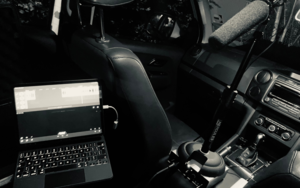
Sennheiser 416 Shotgun MicrophoneAh, the Sennheiser 416 – the rockstar of microphones! This little legend is famous for its razor-sharp sound quality and pinpoint directionality. Whether I’m in a quiet studio or huddled in a hotel room that’s not quite soundproof, the 416 cuts through all the noise and delivers crisp, professional audio. I’ve even recorded in my car, which,